
Which Promotional Products Do People Actually Keep (and What Gets Tossed)?
Be honest: you have a drawer somewhere with a stress ball from a trade show, a pen that skips, and a lanyard from a conference you don't even remember attending. We've all got one. It's the promo graveyard, and it exists because not every branded item earns a permanent spot in someone's life.
Here's the paradox we love talking about with clients: promotional products are one of the most effective advertising mediums out there, but a huge chunk of what gets handed out still ends up in the trash. So what separates the mug that lives on someone's desk for five years from the keychain that hits the junk drawer within a week? Turns out, it's not really about budget. It's about fit.
The Keepers
Drinkware
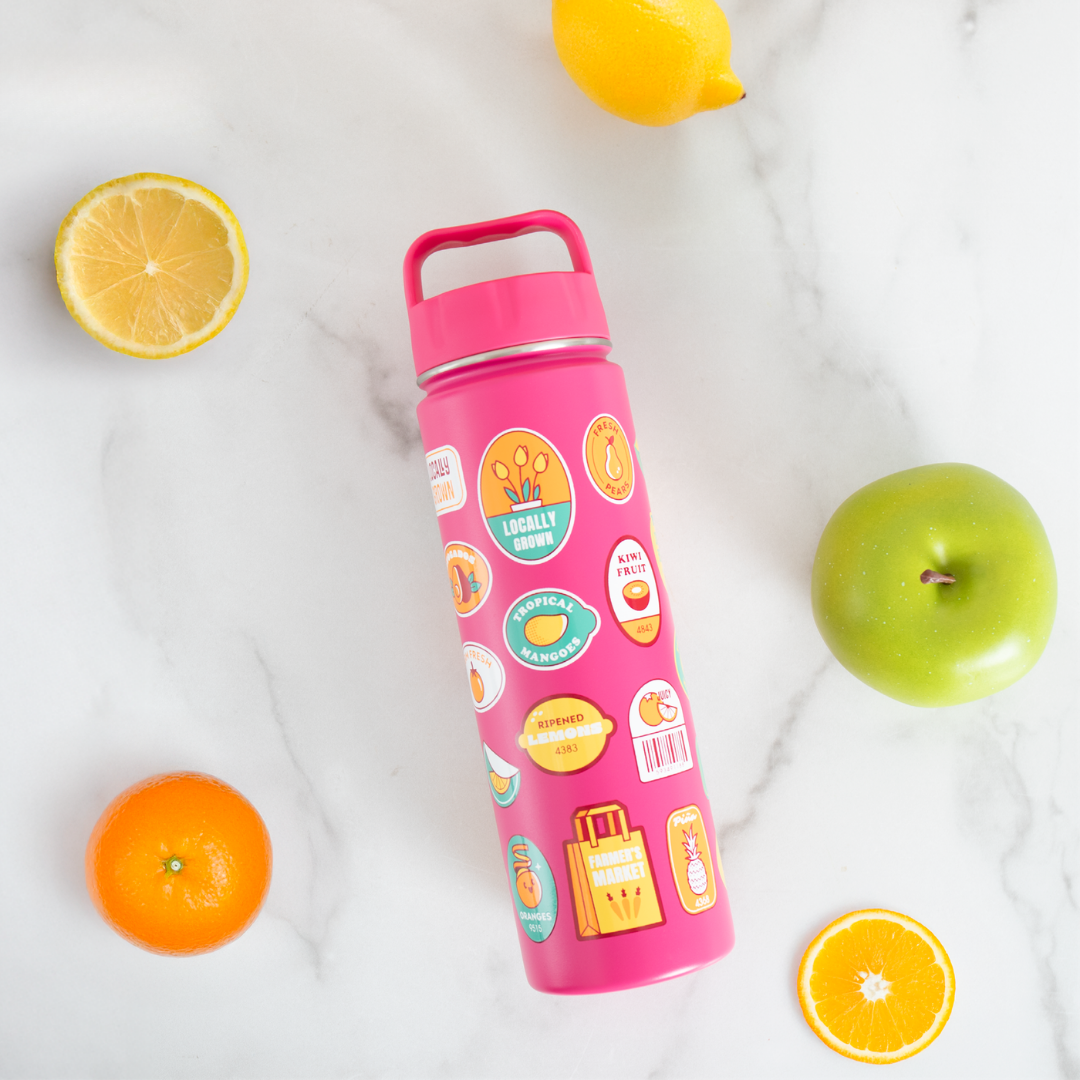
Some categories just have staying power, and the data backs it up. Drinkware and writing instruments are the most widely owned promotional products out there, and it's not close. People genuinely use a good tumbler or an insulated bottle every single day, which means your logo is getting seen every single day, too. Consider adding stickers or other drinkware accessories to your shopping cart too. Adding a small touch of personalization not only makes a lasting impression through on-site activation, it just increases the likelihood that the recipient will hang on to that bottle forever!
Outerwear
Outerwear tells the same story. Jackets, fleece, and quality tees consistently get kept the longest of any promo category, often well over a year, because they're not "extra" items, they're stuff people already needed and would've bought anyway. If considering this category, opt for natural fibers and unique, retail-inspired branding to really wow the crowd.
Tech
Tech follows close behind. A power bank, a nice charging cable, or a Bluetooth speaker that actually works well gets tucked into a bag and used constantly, which is exactly the kind of repeat, real-world exposure you're paying for. We are loving items like this cordless, magsafe Mophie power bank. It’s useful, easy to use and light weight enough to be carried anywhere.
Stationary
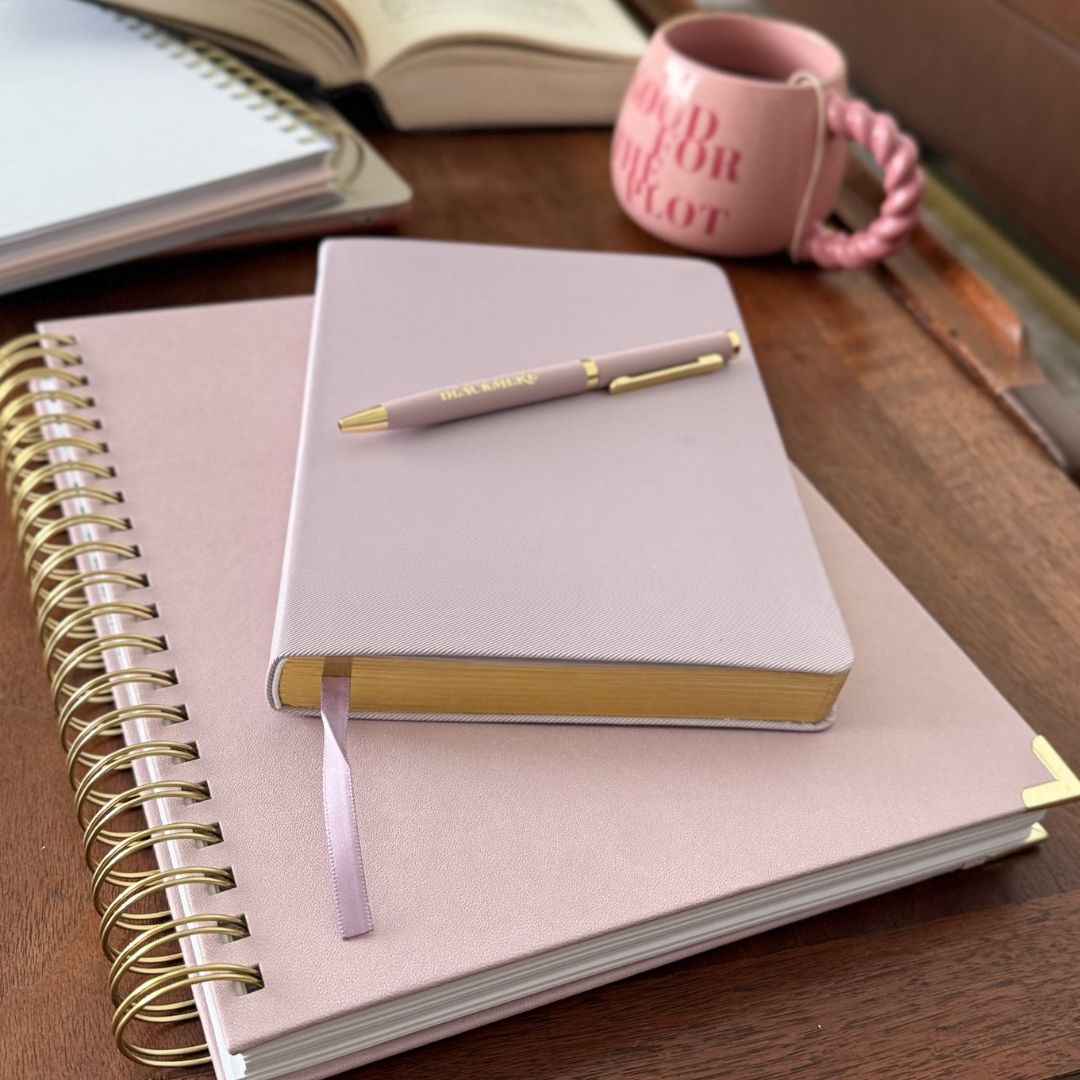
And then there's the category we're a little biased toward: stationery. A journal or notebook with a nice cover, a pen that writes smoothly, anything with a bit of tactile quality, tends to earn a permanent seat on someone's desk. (If you caught our journal ecosystem post, you already know we're fully obsessed with this trend.)
The Tossers
On the flip side, some items are basically pre-destined for the landfill. Calendars have the shortest shelf life of almost any promo product, which makes sense. Once the year's over, so is the branding. Single-use or low-utility items like flimsy keychains, mystery-material stress balls (not to be confused with squishy toys, they’re totally having a moment currently), or the classic "cheap plastic thing with a logo slapped on it" fall into the same bucket. If an item doesn't solve a problem or fit into someone's actual routine, it's not really a gift, it's clutter with your name on it.
The common thread with the "tossers" isn't necessarily price, it's usefulness. A dollar-store-feeling item at a premium price point still gets pitched. A genuinely useful item at a modest price point still gets kept.
Why This Actually Matters for Your Brand
Every extra month an item survives on someone's desk, in their bag, or in their kitchen cabinet is another month of free, repeated brand exposure, the kind you can't buy with a digital ad. And it goes beyond visibility. Consumers strongly associate the branded items they keep with positive feelings, like pride or gratitude, and that emotional connection is one of the biggest predictors of whether they'll remember you, and do business with you, later. The same logic applies internally: employees who receive thoughtful branded items report a stronger sense of belonging and tend to stick around longer, too.
In other words, a "keeper" isn't just good swag. It's a slow-burn marketing asset that keeps working long after the event, the onboarding day, or the trade show booth is packed up.
How to Actually Pick a Keeper
If you want your next order to land on the "keep" pile instead of the junk drawer, run it through this quick filter before you hit order:
Would they buy this themselves? If the honest answer is no, keep looking.
Does it solve a real, everyday problem? Staying hydrated, charging a phone, writing something down, these aren't glamorous, but they're constant.
Is the quality actually there? A slightly higher price point on a product that performs well will always out-earn its keep versus a cheaper one that breaks in a week.
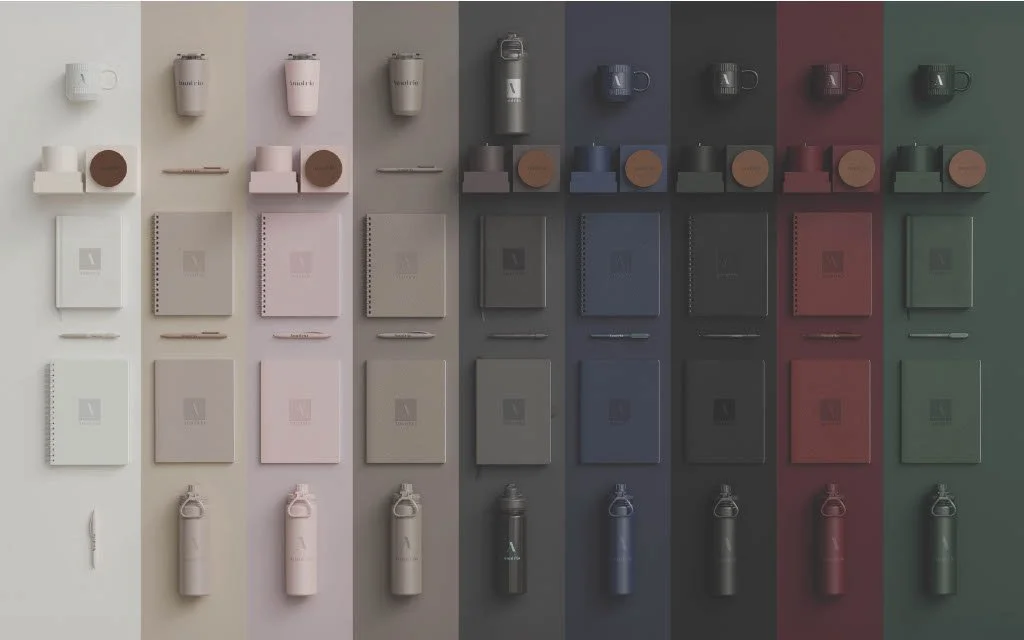
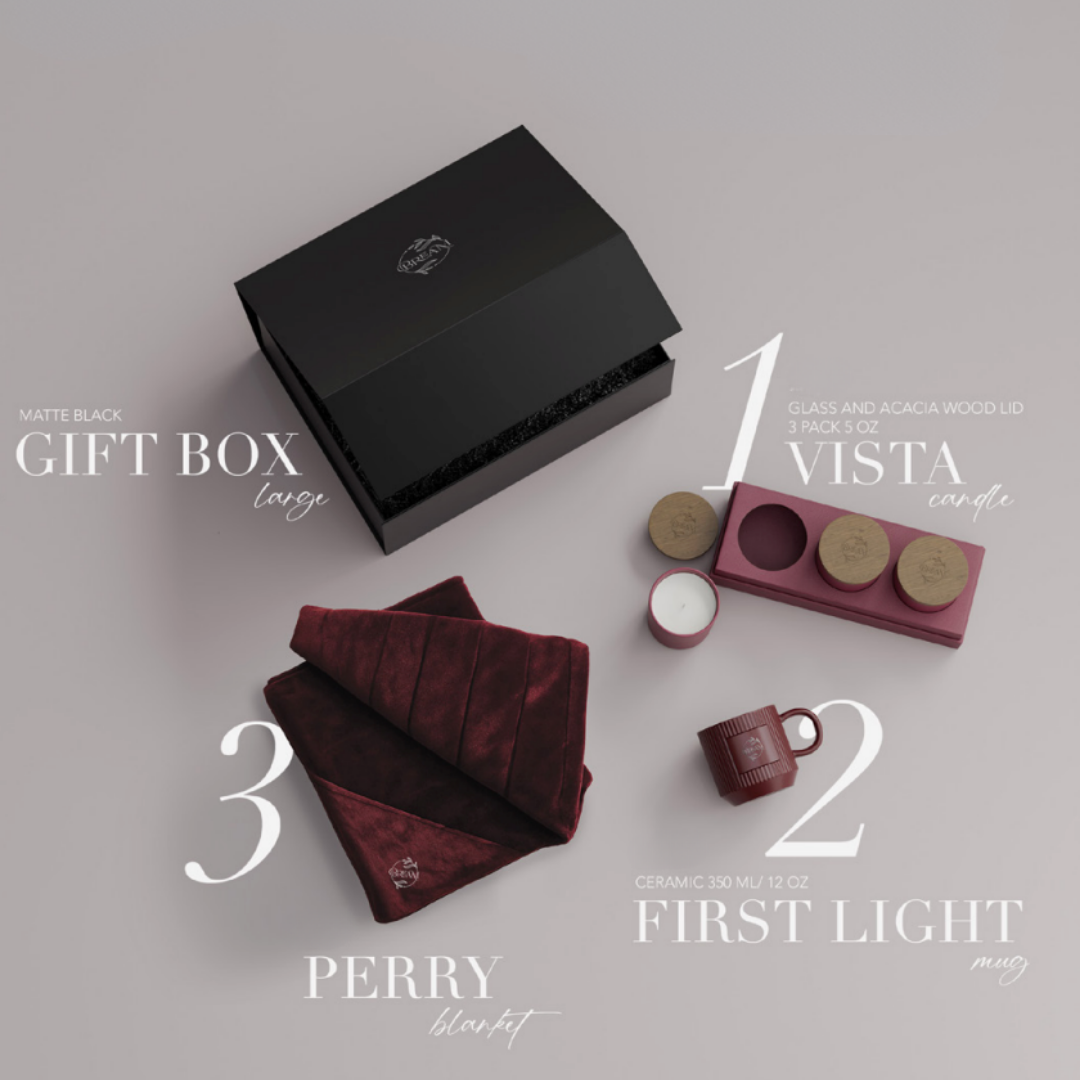
Does it feel intentional? Thoughtful packaging, a coordinated color story, or a small personal touch (yes, we're talking about our favorite topic, Matching Merch Collections) signals "we thought about this," not "we had a leftover budget line."
At the end of the day, the goal isn't to hand out the most stuff, it's to hand out the right stuff. A single item someone genuinely reaches for beats a bag full of things headed straight for the bin.
Not sure if your next order is a keeper or a tosser? Let's find out together!